
IVF guide
PCOS and IVF
Polycystic ovary syndrome (PCOS) is a common hormonal condition and a frequent cause of irregular ovulation. This page explains how it relates to fertility treatment.

How PCOS is diagnosed
A diagnosis is usually made when at least two of the following are present, after other causes have been excluded1:
- Irregular or absent ovulation
- Signs of higher male hormone levels, such as excess hair growth or acne, or high levels in blood tests
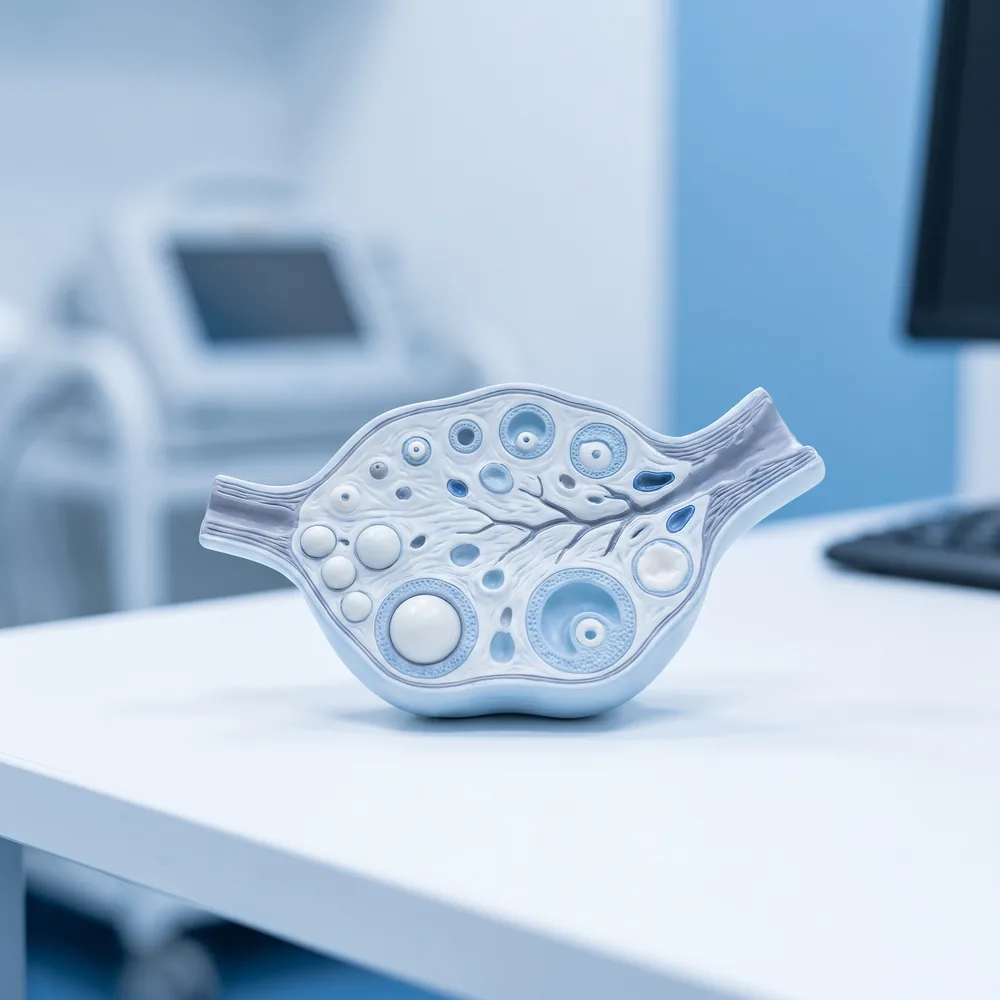
- Many small follicles in the ovaries on ultrasound
How it affects fertility
Without regular ovulation, the chance of conception each month is lower. PCOS is often associated with insulin resistance and weight gain, which can also affect ovulation.1
Treatment options
Depending on the situation, the physician may first suggest lifestyle changes, medication to induce ovulation or insemination. IVF may be considered when these are not suitable or not successful, or when there are other factors such as tubal problems or a male factor.1
IVF and PCOS
Women with PCOS often have many follicles and may respond strongly to stimulation.2 To reduce the risk of OHSS, the physician may choose a lower dose, a specific protocol or trigger injection, and in some cases freeze all embryos for a later transfer.3
Everyday health
For women with PCOS who are overweight, even moderate weight loss may help ovulation.1 Regular physical activity and a balanced diet are usually recommended. Individual advice is given by the physician.
At a glance
- PCOS is diagnosed using a combination of findings.
- Irregular or absent ovulation is common.
- IVF is not always the first treatment.
- The risk of OHSS is higher during stimulation.
Frequently asked questions
No. Many women with PCOS conceive with simpler treatments or without treatment.
The name is misleading. The “cysts” are small follicles that have not developed to ovulation.
No. It can also affect metabolism and long-term health, so regular follow-up is advised.1
References
- Teede HJ, Tay CT, Laven JJE, et al. Recommendations from the 2023 International Evidence-based Guideline for the Assessment and Management of Polycystic Ovary Syndrome. Journal of Clinical Endocrinology & Metabolism. 2023;108(10):2447–2469.
- ESHRE Guideline Group on Ovarian Stimulation, Ata B, et al. ESHRE guideline: ovarian stimulation for IVF/ICSI: an update in 2025. Human Reproduction. 2026;41(4):498–514.
- Practice Committee of the American Society for Reproductive Medicine. Prevention of moderate and severe ovarian hyperstimulation syndrome: a guideline. Fertility and Sterility. 2024;121(2):230–245.
Related topics
This page gives general information only. It does not replace an examination, and the treatment plan is decided by the physician for each person individually.