
IVF guide
Male infertility and sperm retrieval
A male factor is found in a large share of couples who have difficulty conceiving. This page describes common causes, tests and the methods used to obtain sperm when none is found in the semen.

Possible causes
- Varicocele (enlarged veins in the scrotum)
- Hormonal disorders
- Genetic causes, such as Klinefelter syndrome or Y chromosome microdeletions
- Blockage of the sperm ducts, for example after vasectomy or infection
- Previous surgery, chemotherapy or radiotherapy
- In some men no clear cause is found1
Tests
Besides the semen analysis, the evaluation may include a physical examination, hormone tests (such as FSH, LH and testosterone), a scrotal ultrasound and genetic tests (karyotype and Y chromosome microdeletion analysis). The tests help understand whether sperm production or sperm transport is affected.1
Types of azoospermia
In obstructive azoospermia, sperm is produced but cannot reach the semen because of a blockage. In non-obstructive azoospermia, sperm production itself is reduced. The type affects the choice of retrieval method.1
Sperm retrieval methods
- PESA / MESA: sperm is taken from the epididymis with a needle or through a small incision.
- TESA: tissue is taken from the testis with a needle.
- TESE: a small piece of testicular tissue is removed through an incision.
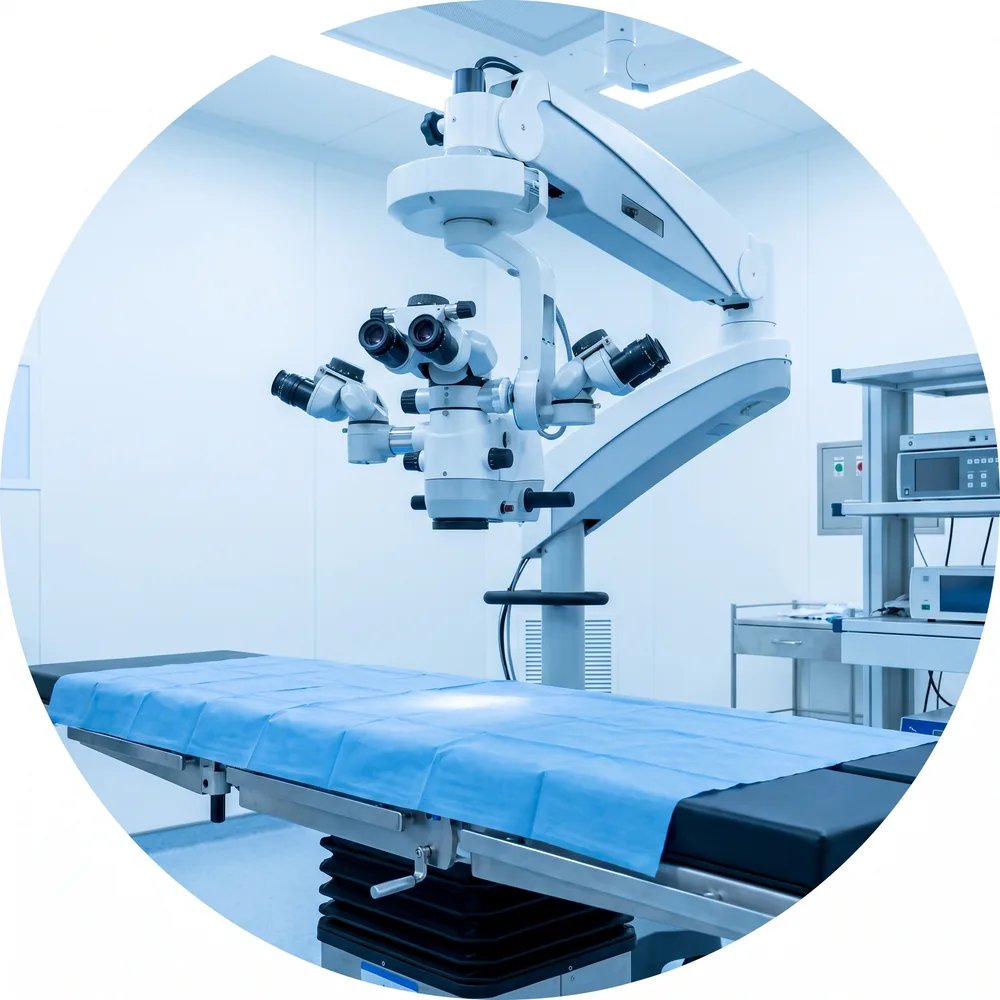
- Micro-TESE: the testicular tissue is examined with an operating microscope to find areas more likely to contain sperm.
The procedures are done under anaesthesia. Sperm is not found in every case.1
Using the sperm
Retrieved sperm is used with ICSI.1 The procedure may be planned on the day of egg collection or earlier, in which case the sperm is frozen. The physician explains the timing, risks and recovery period.
At a glance
- Evaluation starts with a semen analysis and medical history.
- Azoospermia means there is no sperm in the semen.
- Sperm may be retrieved from the testis in some cases.
- Retrieved sperm is used with ICSI.
Frequently asked questions
Treatment may be considered in selected men. The urologist decides according to the examination and semen analysis.
No. The chance depends on the cause of azoospermia and individual findings.
No. In Turkey, only the husband’s own sperm can be used in treatment.2
References
- European Association of Urology. EAU Guidelines on Sexual and Reproductive Health. Arnhem: EAU Guidelines Office; 2025.
- Republic of Türkiye Ministry of Health. Regulation on Assisted Reproductive Treatment Practices and Assisted Reproductive Treatment Centres (Üremeye Yardımcı Tedavi Uygulamaları ve Üremeye Yardımcı Tedavi Merkezleri Hakkında Yönetmelik). Official Gazette, 30.09.2014, No. 29135 (as amended).
Related topics
This page gives general information only. It does not replace an examination, and the treatment plan is decided by the physician for each person individually.